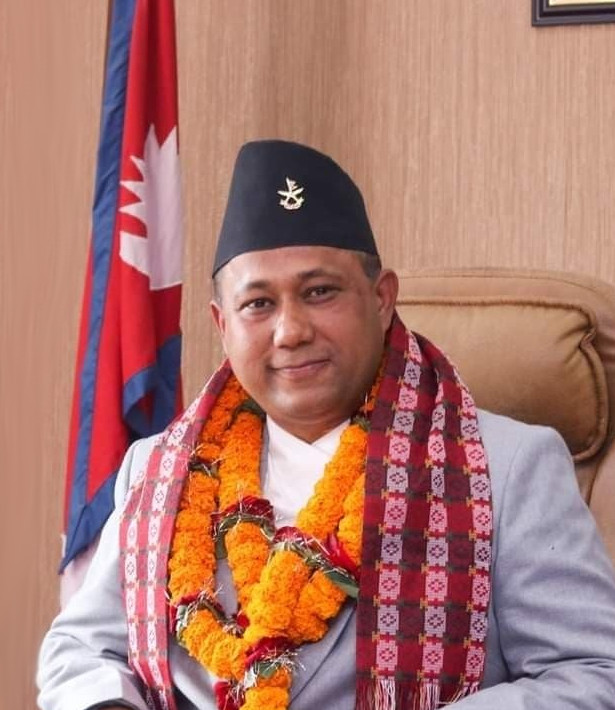
Work & Impact
As MP for Kathmandu-6, my approach is simple: study the issue, speak with evidence, work for results.
How I Work
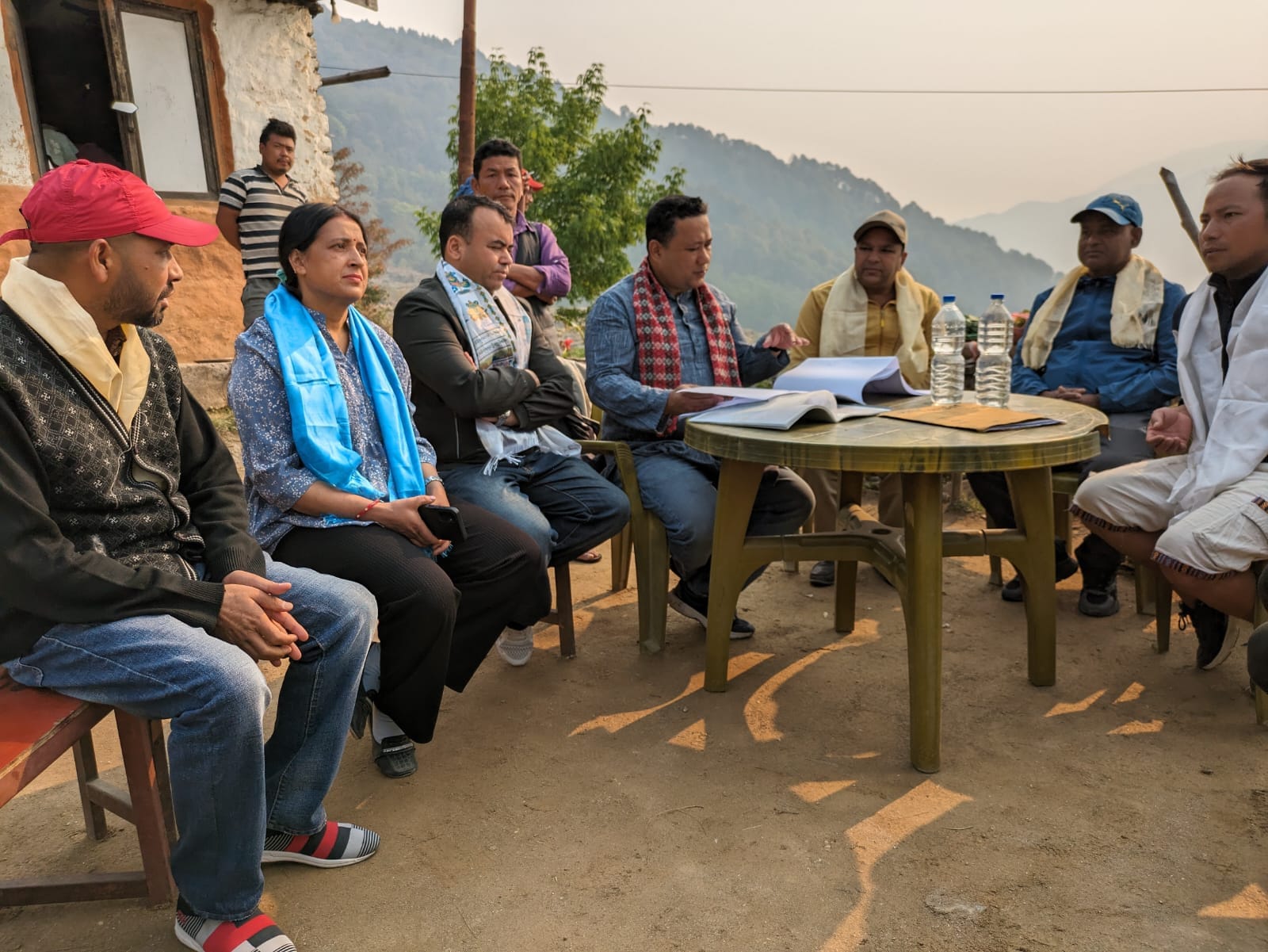
Transparency & Accountability
Every issue I raise in parliament is backed by research and constituent feedback. The government must answer to the people, not through rhetoric, but through documented questions and persistent follow-up.
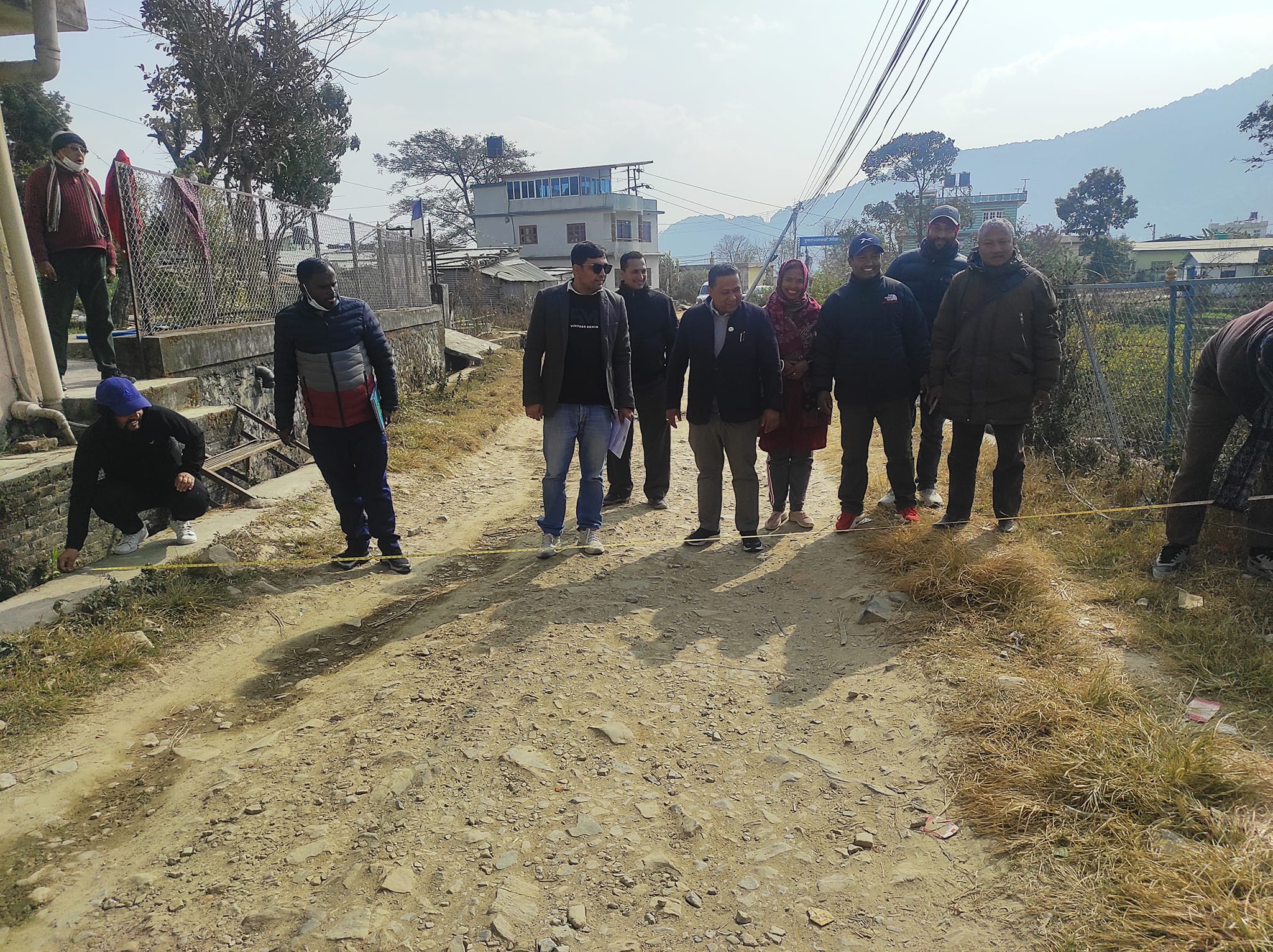
From Community to Parliament
367 days in the constituency over three years were spent listening. Those conversations became parliamentary interventions. Kathmandu-6's water crisis, road conditions, and public land issues are now on the national record. They have been raised 15+ times in Zero Hour, backed by written questions, and supported by formal resolutions. ₹100 crore+ has been directed to constituency infrastructure development.
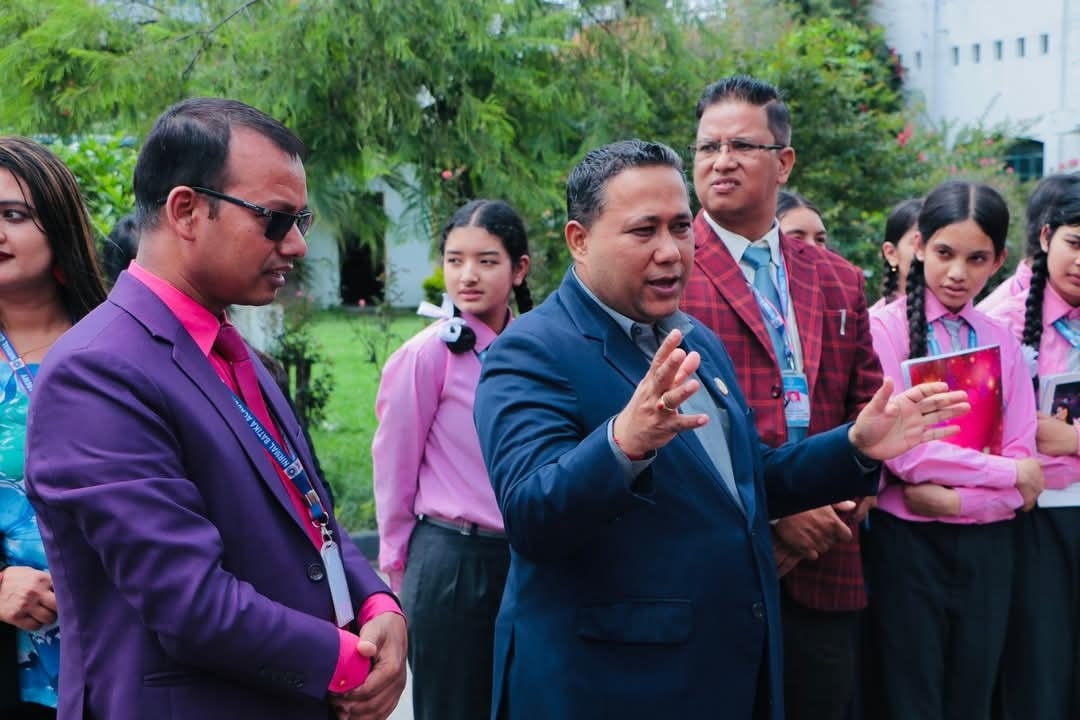
Research-Backed Intervention
I serve on the Foreign Relations and International Trade Committee. I led the Nepal Airlines Corporation Study Sub-Committee. I review bills, propose amendments, and draft private member bills. Speaking in parliament is not enough. The work is in studying policy, consulting experts, and proposing solutions that can actually be implemented.
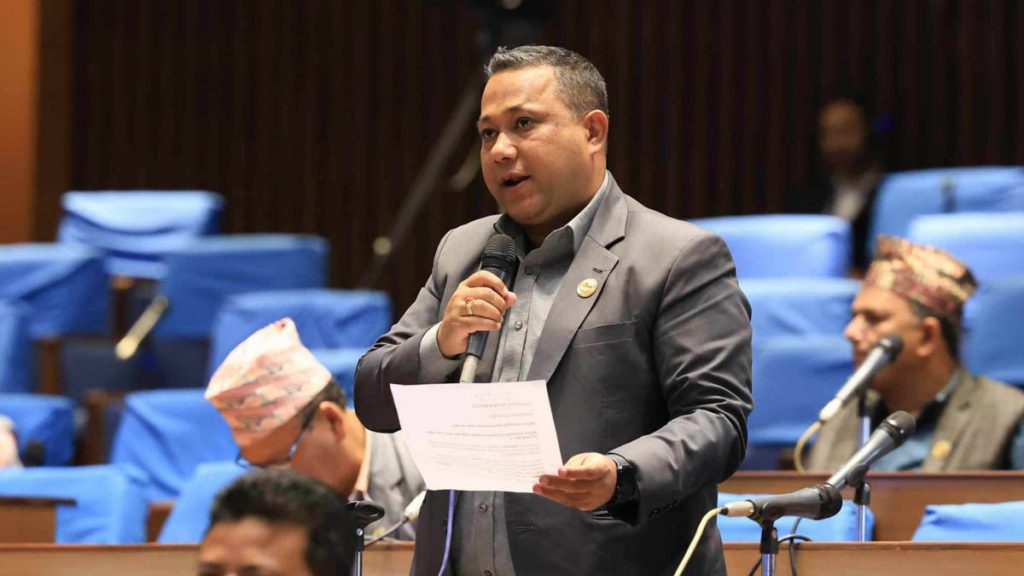
Coalition Building
Parliament works when members collaborate across party lines. I have jointly filed resolutions with MPs from other parties, coordinated on shared concerns, and led dialogue teams for political alliances. Results require coalition, not confrontation.
What a Member of Parliament Does
A Member of Parliament represents constituents, holds the government accountable, and shapes legislation. This requires research, evidence, and the ability to work across party lines.
The Work in Parliament
Zero Hour Interventions
I have raised issues in Zero Hour 15+ times
Kathmandu-6 Issues
Drinking water crisis: Dharmasthali, Phutung, Manmaiju, Nepal Taar, Samakhusi, Gongabu
Chakrapath expansion delays (Gongabu-Samakoshi)
Road conditions: Nepal Taar-Dadagaun, Sangla Bihani, Thamel-Gongabu
Public land encroachment (Tarkeshwar-9, National Judicial Academy area)
Constituency strategic road delays (Kavresthal)
National Issues
Nepal's failure to complete Osaka World Expo 2025 Pavilion
Visit visa scam at Tribhuvan International Airport
Bagmati 20-meter no-construction zone
Committee Work
Committees are where detailed policy work happens.
Foreign Relations and International Trade Committee
Bilateral relations, trade agreements, Nepal's international positioning
Nepal Airlines Corporation Study Sub-Committee
Leading analysis of NAC challenges and reform recommendations
Legislative Work
I review bills. I propose amendments based on ground realities. I draft private member bills on issues requiring legislative attention.
Legislative work informed by ministerial experience and constituency knowledge ensures policies are implementable, not just aspirational.
Resolution Proposals
When the government ignores repeated interventions, formal resolutions create institutional pressure.
Chakrapath expansion: After repeated Zero Hour interventions were ignored, Kathmandu MPs filed a joint resolution across party lines.
Parliament is a tool for change. Every question raised, every committee meeting, every coalition built serves one purpose: translate Kathmandu-6's voices into national action.
Results
15+ Zero Hour interventions
₹100 crore+ infrastructure budget directed to Kathmandu-6
1 joint resolution (Chakrapath expansion)
Committee-led reforms (NAC study, foreign policy engagement)
Private member legislative initiatives
As Minister of Education
19 Days. Two Fundamental Changes.
I served as Minister of Education, Science and Technology for 19 days. Short, yes. But enough to demonstrate what capable leadership with clear priorities can achieve.
This was not symbolic or ritualistic work. These were structural changes requiring coordination with bureaucracy, navigating supply chain bottlenecks, and solving problems that had persisted for years.
What Was Done
1. For the First Time in Nepal’s history, Textbooks were supplied on time
For the first time, remote districts from Humla to Taplejug received textbooks before the academic year started.Humla, a Himalayan district that routinely received books months late—sometimes after annual exams—had textbooks delivered before Baisakh 1.What this required:
Coordination across Ministry, Curriculum Development Center, publishers, and transporters
Addressing supply chain issues specific to remote areas (air transport unreliability, road accessibility)
Budget release synchronization with local governments
Real-time tracking of distribution
This wasn't about issuing directives. It was about understanding where the system was breaking and fixing those specific points.
As a result of this, students in Humla's and other remote districts’ community schools had books on day one. A historic first.
2. NOC Process: 75 Days to 5 Days
Students seeking No Objection Certificates to study abroad were stuck in a 75-day bureaucratic maze. Multiple office visits. Unclear timelines. Uncertainty.We reduced this to under 5 days.How this was done:
We didn't start with software. We started with understanding the problem.
Week 1
We Interviewed students. Mapped their actual journey—from decision to study abroad to departure. Identified pain points in this journey.
Week 2
Met with ministry officials. Presented data, not anecdotes. Showed them what students were experiencing on the ground. Aligned everyone around a citizen-centric approach.
Week 3
Established clear goals:
Reduce in-person office visits from 100% to 40%
Reduce processing time to under 5 days for 80% of applicants
Reduce in-person office visits from 100% to 40%
Reduce processing time to under 5 days for 80% of applicants
Replaced one-year planning cycles with two-week sprints. Established a team. Assigned clear tasks. Build accountability through simple tracking tools.
The insight: Most public service failures aren't about bad software or inadequate budget. They're about broken processes and misaligned priorities. Fix those first.
The result: First sprint completed. Goals on track. Students no longer traveling to Kathmandu for multiple office visits.
(Implementation credit: Digital transformation work led with Kailash Badu)
Why This Matters
These are examples of what's possible when you:
- Start with the citizen's experience, not the bureaucracy's convenience
- Use data to understand problems, not assumptions
- Coordinate across systems, not just issue orders
- Prioritize high-impact, achievable changes
Nepal's education system has hundreds of such problems. Low-hanging fruit that requires capable execution, not grand visions.
Textbooks delivered late: Fixed in 19 days.
NOC process taking 75 days: Reduced to 5 days.
There are dozens more like these. They don't require massive budgets. They require leadership that understands how systems work and how to make them work for people.
What I Learned
Ministries are not stages for speeches. They are tools for change.
19 days proved that with clear priorities, coordination skills, and bias for action, real problems can be solved quickly.
The question is: do we want leaders who know how to do this work, or leaders who only know how to talk about it?
Work for Kathmandu-6
2079-2082:
What Was Done
What Was Done
Voices Raised in Parliament
15+ times your issues were raised in Zero Hour and written questions.
Water: Dharmasthali, Phutung, Manmaiju, Nepal Taar, Samakhusi, Gongabu—demanded solutions for areas Melamchi doesn't reach
Roads: Chakrapath expansion, Nepal Taar-Dadagaun, Sangla Bihani, Thamel-Gongabu—raised repeatedly, filed joint resolution
Public Land: Tarkeshwar 9 encroachment, Judicial Academy area issues
Other: Gongabu bus park vandalism, Bagmati construction zone concerns
Problems documented. Government questioned. Solutions demanded.
Resources Mobilized
₹100 crore+ directed to Kathmandu-6 infrastructure (2079-2082)
Roads, water projects, public infrastructure—mobilized through constituency development programs and budget advocacy.
Community Work
367+ days in the constituency. Ward-level hearings, project monitoring, school visits, grievance redressal.
The issues raised in parliament came from listening to you.
What's Next
The problems are known. The work has started. Evidence is there.
Now this work needs to continue.
Your support makes that possible.