Biography
My childhood moved with my father's civil service postings—Tanahun, Mustang, Chitwan, eventually Kathmandu. That kind of upbringing shows you Nepal in full: the richness of its communities, but also how uneven opportunity is spread across them.
I studied public policy at UW-Madison, always with the intention of bringing that training home. But before returning, I spent several years with the Sarvodaya Shramadana movement, the Gandhian community development network active across South Asia. The work took me to Sri Lanka after the 2004 tsunami and to Haiti after the 2010 earthquake—both times working alongside communities rebuilding on their own terms. I wasn't there as an expert. I was learning what it actually takes to make institutions serve people instead of failing them.
After moving back to Nepal, I co-founded Teach For Nepal in 2012 with a small group of friends who shared a frustration of talented young Nepalis having few pathways into public service, and the schools that needed them most were invisible to the system. We started with 33 fellows in 16 schools. The organization has since placed hundreds of graduates in underserved classrooms across the country—some stayed in education, others carried the experience into government, health, business, and elsewhere.
I also started PickNDrop, a logistics company that now employs more than 50 people. When the 2015 earthquake struck, I helped coordinate relief in affected communities. When COVID-19 closed schools in 2020, we piloted "टोल-टोलमा सिकाई" in Tulsipur—neighborhood learning circles that kept children studying when classrooms were inaccessible. That model later informed national education policy.
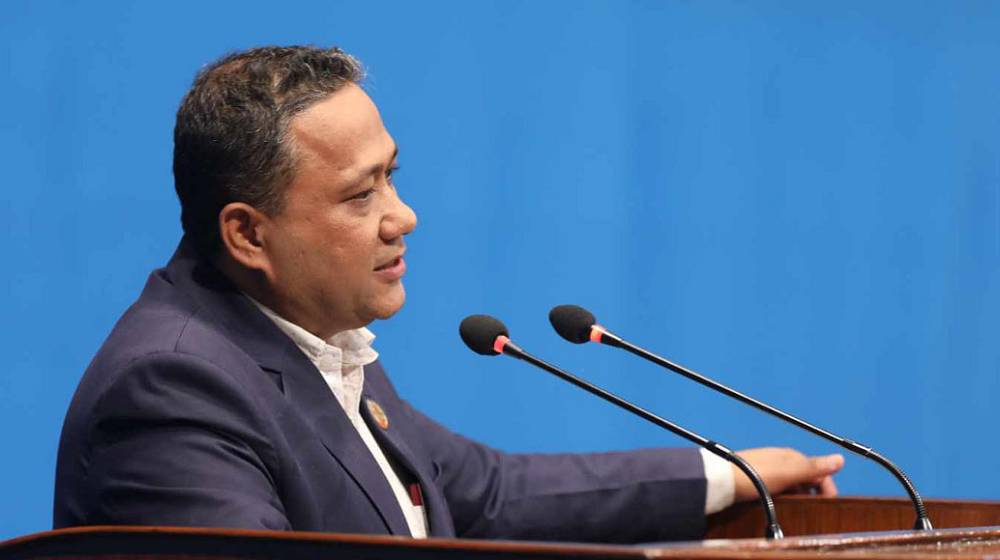
In 2022, voters in Kathmandu-6 elected me to Parliament. I served briefly as Minister of Education, Science and Technology, where my team addressed the chronic textbook shortage in public schools and reduced NOC processing from 75 days to less than a week.